Cuba with Kids: e-Visa, D'Viajeros and Practical Tips for Families
Cuba is a destination that children remember for a long time. Vintage cars in Havana, horse carts in Viñales, warm shallow water at Varadero and a culture in which children are welcome almost everywhere make the island a rewarding choice for families. At the same time, Cuba asks more of travellers than many other Caribbean destinations. Every family member needs their own documents, the digital entry procedures have changed in recent years, and everyday life on the island can be unpredictable. This guide explains what children need to enter Cuba, how parents handle the e-Visa and the D'Viajeros form for the whole family, and how to plan a trip that stays relaxed when things do not go to plan.
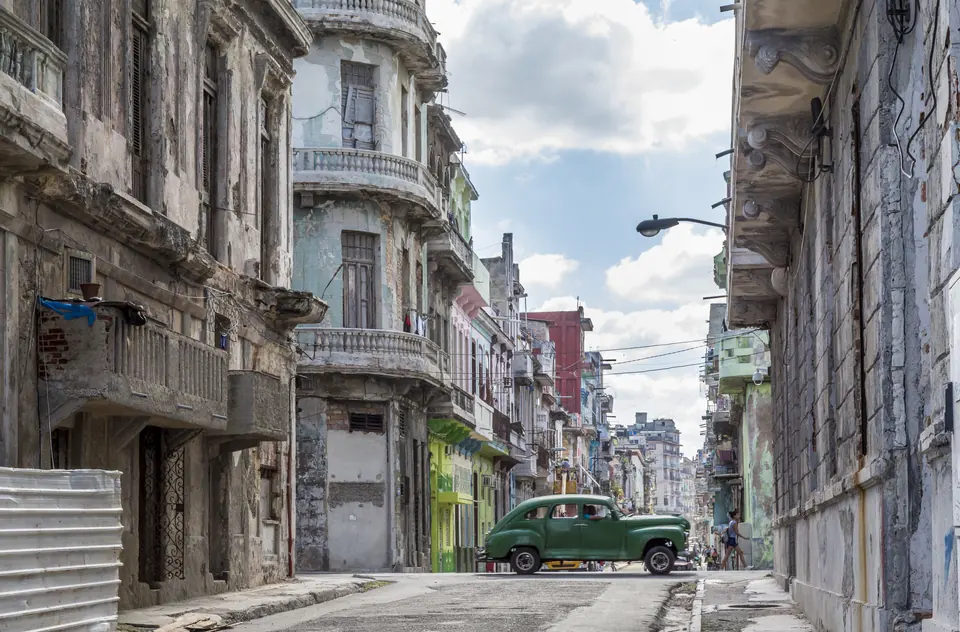
Photo: Eva Blue, Unsplash. CC0, via Wikimedia Commons.
The basic rule: every child counts as a traveller
The most important principle is simple. Cuba treats each child, including a newborn baby, as an independent traveller. That means every child needs a passport of their own, a tourist visa of their own and a D'Viajeros entry declaration of their own. There is no family visa and no way to add a child to a parent's documents. Our FAQ puts it plainly: every traveller, including infants and children, needs their own visa code and passport.
The passport should be valid for at least six months on arrival, which is the standard requirement cited by the German Foreign Office and the Spanish Embassy in Havana. Children's passports often have a shorter validity than adult ones, so check the expiry date early, especially if a passport was issued when your child was a baby. Renewing a child's passport can take several weeks, and the new number must then be used in every later step.
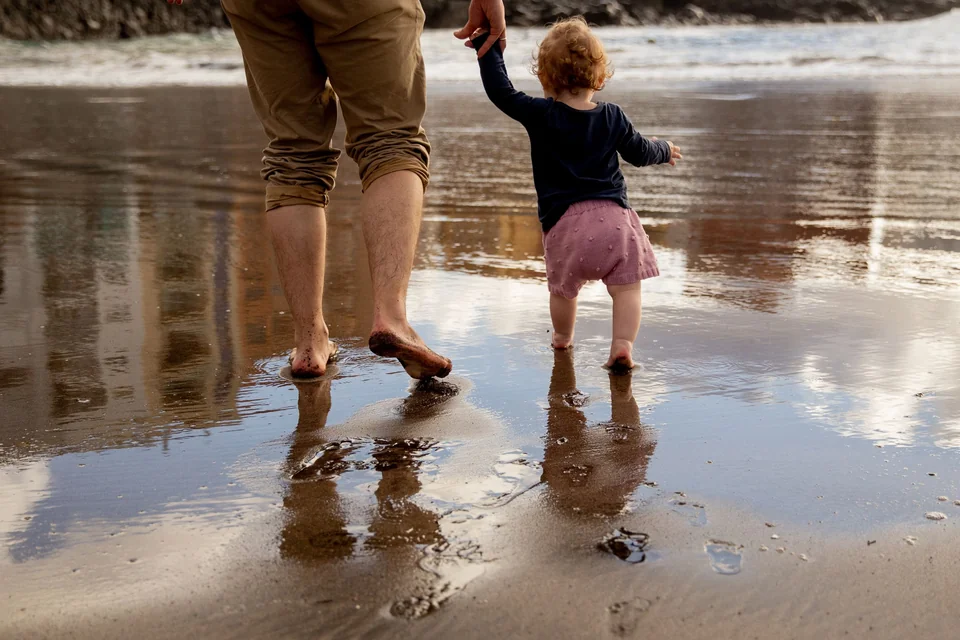
Photo: Tatiana Syrikova, Pexels.
The e-Visa for children
Since 1 July 2025, the paper tourist card has been replaced by an electronic visa. The tourist visa allows a single entry and a stay of up to 90 days, which can be extended once for a further 90 days. According to the official Cuban tourism portal, it is issued electronically, eliminating the need to carry a separate paper document, and the traveller receives the visa code and proof of payment by email.
For families, the practical consequence is that you will receive one visa code per child. Keep a simple overview of which code belongs to which passport, because you will need the codes again for the D'Viajeros form. Parents apply on behalf of minors, using the child's passport details exactly as they appear in the document. Small differences, such as a missing middle name or a transposed digit in the passport number, can cause problems at check-in that are hard to solve at the airport. Our Cuba e-Visa guide explains the application process step by step, and our article on avoiding mistakes before payment shows what to check before you submit.
Timing matters more with children than without them, simply because there are more applications to coordinate. It is wise to apply at least a week before departure, and earlier if your travel dates are fixed by school holidays. Our article on Cuba e-Visa processing times explains why it is best not to rely on speed promises. If you would prefer someone else to check the details for the whole family, our Cuba e-Visa service handles applications for each traveller, with a total of $59 per person including the consular fee.
D'Viajeros: one QR code per family member
D'Viajeros is Cuba's digital traveller declaration. It combines immigration, customs and health information in one online form and produces a QR code that airlines check before boarding and officials check again on arrival. It is not a visa and does not replace one; the form asks for the e-Visa code, which links the two. Cuban Customs confirms that children need their own declaration, which a parent or legal guardian completes using the child's passport details.
In practice, families usually complete the forms one after another in the same sitting, starting with the parents and then adding each child. The timing window is short, so plan when to do it. The German Foreign Office states that the declaration must be submitted within 48 hours before check-in, while other official sources refer to a 72-hour window before arrival. The safest approach is to follow the instructions shown on the official D'Viajeros website at the time you fill it in and to complete it within 48 hours of check-in. Save every QR code on your phone and print a copy as a backup, because mobile data at the airport is not always reliable. Our D'Viajeros guide explains the form field by field. If you would prefer not to fill in several forms yourself, our optional D'Viajeros filling service completes the form for each traveller for $25 per person; the government form itself is free.
Travelling with only one parent
Many families travel with only one parent, whether because of work, separation or simple logistics. According to the German Foreign Office, problems with the entry and exit of foreign minors who are not accompanied by both parents have not been observed so far. Even so, it is sensible to carry a written consent from the other parent, ideally in English or Spanish, together with a copy of the other parent's passport and proof of your relationship to the child, such as a birth certificate. Airlines and transit countries may apply their own rules, and a short letter can save a long conversation at check-in.
The situation is different for children who also hold Cuban nationality. The German Foreign Office warns that dual nationals are treated exclusively as Cubans in Cuba and must use a Cuban passport for entry and exit. Minors with Cuban nationality need notarised permission to leave the country if they are not travelling with both parents. If this applies to your family, clarify the requirements with the Cuban consulate well before your departure. We are preparing separate articles on minors travelling with one parent and on children with Cuban dual nationality.
Health insurance for the whole family
Cuba requires every traveller to show travel medical insurance that is valid in Cuba for the entire stay, and that applies to children as much as to adults. The German Foreign Office points out that German statutory health insurance and policies from US insurers are not recognised, and that foreign clinics will not treat patients without valid insurance or advance payment by credit card. If you cannot show proof of insurance on arrival, you will have to buy a Cuban policy at the airport.
Check that your policy explicitly covers Cuba, includes medical repatriation and lists every family member by name. Our article on Cuba travel insurance explains what officials look for, and a family-specific guide on insuring children for Cuba will follow.
Everyday life in Cuba with children
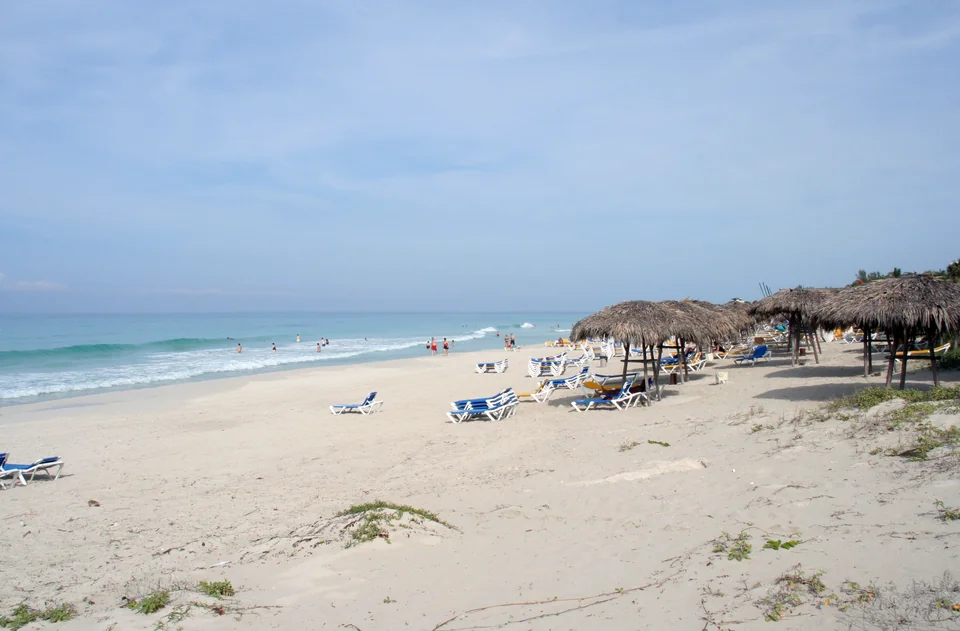
Photo: Tony Hisgett, Birmingham. CC BY 2.0, via Wikimedia Commons.
Documents are only half of a successful family trip. Cuba is currently going through a serious economic and energy crisis, with frequent power cuts, fuel shortages and limited supplies in shops and pharmacies. Our article on the current situation in Cuba describes what travellers experience on the ground. For families, this means planning with more buffer than usual. Bring all the medicines your children may need, including fever reducers, rehydration salts, plasters and any regular prescriptions, because you may not be able to buy them locally. Pack sunscreen, insect repellent suitable for children and a torch or headlamp for evenings without electricity, and download offline maps and entertainment before you leave.
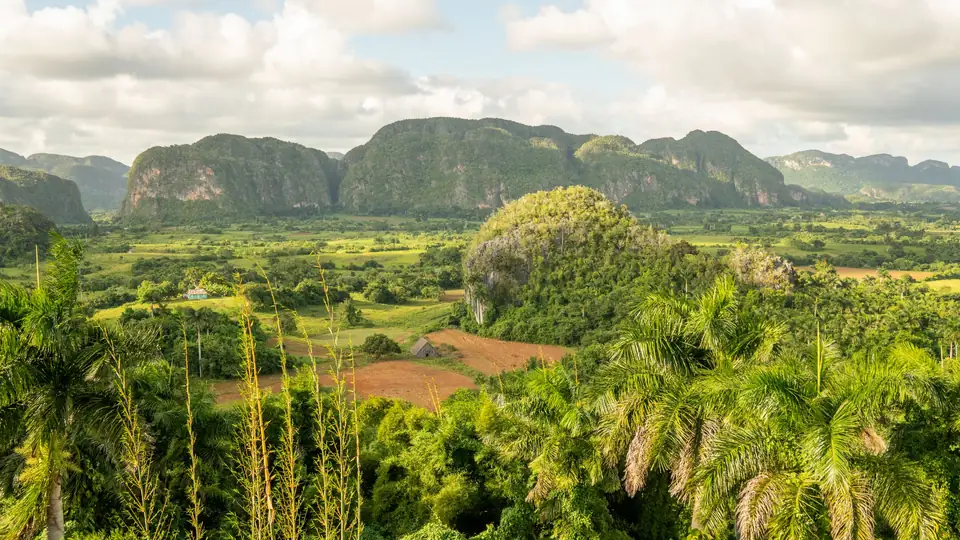
Photo: David Pospíšil, Pexels.
Accommodation choices make a big difference. All-inclusive resorts in Varadero or on the cays have their own generators and a more predictable supply of food, which many parents of young children appreciate. Private casas particulares offer a more personal experience, and many hosts are wonderful with children, but supplies and electricity can be less reliable. Our guide to hotels and casas compares both options, and our packing list with gifts for local families has ideas that children can help choose. A dedicated article on family-friendly resorts and a health and packing list for travelling with kids are in preparation.
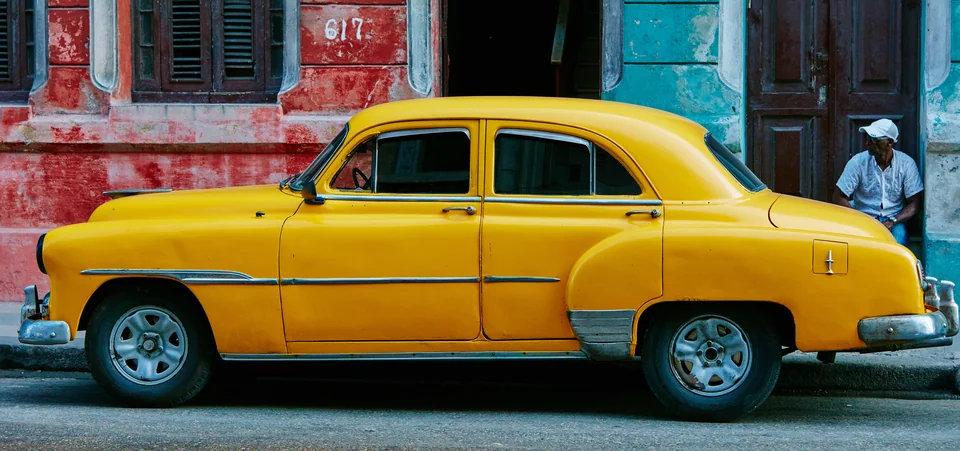
Photo: Wolf Schram, Unsplash. CC0, via Wikimedia Commons.
Planning a trip to the United States afterwards
One point catches many families by surprise. Under US rules, anyone who has been in Cuba on or after 12 January 2021, including children, can no longer travel to the United States with an ESTA under the Visa Waiver Program and must apply for a US visa instead. If your family is planning a trip to Florida or New York in the next few years, factor this in now. Our sister site explains the details in its article on US travel after Cuba, and we will cover the family perspective in a separate guide on travelling to the USA after Cuba with children.
A calm checklist for the final week
In the week before departure, go through the documents for each family member in turn rather than all at once. Is every passport valid for six more months? Does every child have an e-Visa code that matches their passport? Has each traveller completed D'Viajeros within the right window, and are the QR codes saved and printed? Does the insurance certificate list every name? Our Cuba entry documents checklist helps you tick everything off. With that done, the rest of the journey can be what a family holiday in Cuba should be: colourful, warm and full of encounters your children will talk about for years.
All links in this guide
- Cuba e-Visa service: /en/
- D'Viajeros filling service: /en/dviajeros/
- FAQ: /en/faq
- Cuba e-Visa guide: /en/blog/cuba-e-visa-ultimate-guide.html
- Cuba e-Visa before payment: /en/blog/cuba-evisa-before-payment.html
- Cuba e-Visa processing time: /en/blog/cuba-evisa-processing-time.html
- D'Viajeros guide: /en/blog/dviajeros-guide-uk.html
- Cuba travel insurance: /en/blog/cuba-insurance.html
- The current situation in Cuba: /en/blog/cuba-energy-crisis.html
- Hotels vs casas: /en/blog/cuba-hotel-casas.html
- Kindness packing list: /en/blog/cuba-gift-packlist.html
- Cuba entry documents checklist: /en/blog/cuba-entry-documents-checklist.html
- US travel after Cuba (esta-express.com): esta-express.com/en/blog/cuba-travel-history/
- Cuba e-Visa for children: /en/blog/cuba-evisa-for-children.html
- D'Viajeros for children (coming soon): /en/blog/dviajeros-for-children.html
- Minors travelling with one parent (coming soon): /en/blog/cuba-minor-travelling-with-one-parent.html
- Children with Cuban dual nationality (coming soon): /en/blog/cuban-dual-national-children.html
- Insuring children for Cuba (coming soon): /en/blog/cuba-family-insurance.html
- Family-friendly resorts (coming soon): /en/blog/cuba-family-resorts.html
- Health and packing list for kids (coming soon): /en/blog/cuba-kids-health-packing.html
- USA after Cuba with children (coming soon): /en/blog/cuba-then-usa-family.html
- Official e-Visa portal: consular.cu
- Official D'Viajeros form: dviajeros.mitrans.gob.cu
Important Notice
The information on this page is provided for general informational purposes only and does not constitute legal advice. Cuba Visa Express is a private service provider and not a government authority, embassy, or consulate.
Visa requirements and entry regulations can change at short notice. We do not guarantee the accuracy, completeness, or timeliness of the information provided. Only the regulations published by the Cuban authorities at the time of your application and travel are authoritative.
As of: 20 November 2026
Verify the requirements that apply to your passport, purpose and itinerary with the relevant Cuban and home-country authorities and your airline before travel.
Private visa service Cuba Visa Express is a private service provider. This is not a government website, and not an embassy or consulate.
Review the current price, included support and terms before ordering.